

The lifespan of vinyl flooring varies depending on several factors. Understanding these variables will help determine when replacement might be necessary.
Quality of the Vinyl Flooring
Not all vinyl flooring is created equal. The quality of the vinyl material plays a crucial role in determining how long the flooring will last. Higher-end vinyl flooring options, such as luxury vinyl tiles (LVT) or rigid core vinyl, tend to have thicker wear layers, better construction, and improved resistance to wear and tear, offering a longer lifespan compared to budget-friendly options.
Standard Vinyl: Standard vinyl flooring, such as sheet vinyl or basic vinyl tiles, typically has a thinner wear layer and may last between 10 to 15 years under normal conditions.
Luxury Vinyl (LVT): Luxury vinyl tiles or planks, which are more durable and often designed to mimic wood, stone, or ceramic, generally last between 15 to 20 years or more.
Rigid Core Vinyl: Rigid core options, including Stone Plastic Composite (SPC) or Wood Plastic Composite (WPC) vinyl, are designed for high durability, especially in high-traffic and moisture-prone areas. These types can last 20 years or longer.
Foot Traffic and Usage
The amount of foot traffic that a vinyl floor is exposed to is another crucial factor in determining its longevity. High-traffic areas, such as entryways, kitchens, and commercial spaces, place more stress on the floor, leading to faster wear. Conversely, areas with minimal foot traffic, such as bedrooms or spare rooms, will generally experience less wear and will need replacement later.
High-Traffic Areas: Areas like hallways, living rooms, kitchens, and bathrooms tend to wear out more quickly. In these spaces, the vinyl flooring may need to be replaced every 7 to 10 years if it's a standard vinyl option, and every 12 to 15 years for luxury vinyl.
Low-Traffic Areas: In areas with little foot traffic, such as bedrooms or storage spaces, vinyl flooring can last much longer, potentially 15 to 20 years or more.
Moisture and Environmental Conditions
Vinyl flooring is known for its moisture resistance, which is why it is commonly used in areas prone to humidity, like bathrooms and kitchens. However, prolonged exposure to moisture can affect the flooring's integrity. High humidity, moisture from spills, or standing water may cause the flooring to degrade over time.
Proper Installation
Proper installation plays a significant role in the lifespan of vinyl flooring. Floors that are incorrectly installed-whether with improper subfloor preparation, inadequate adhesive, or poor alignment-are more likely to experience issues such as buckling, shifting, or wear in high-stress areas. Proper installation ensures that the floor is installed securely, preventing unnecessary damage that could lead to premature replacement. It is recommended that vinyl flooring be installed by a professional to ensure that it is done correctly, especially when installing high-end options such as luxury vinyl or rigid core vinyl.
There are several signs that indicate when it might be time to replace your vinyl flooring. While vinyl is generally a durable and low-maintenance material, over time, it can start to show visible signs of aging. Here are some common indicators:
Visible Damage or Wear
While vinyl flooring is scratch-resistant, it is not impervious to damage. Over time, the surface may show signs of wear, especially in high-traffic areas.
Scratches and Scuffs: Even though vinyl is scratch-resistant, deep scratches or scuff marks can still occur, especially in commercial environments or areas with heavy foot traffic. If scratches are deep enough to penetrate the wear layer, it may be necessary to replace the flooring.

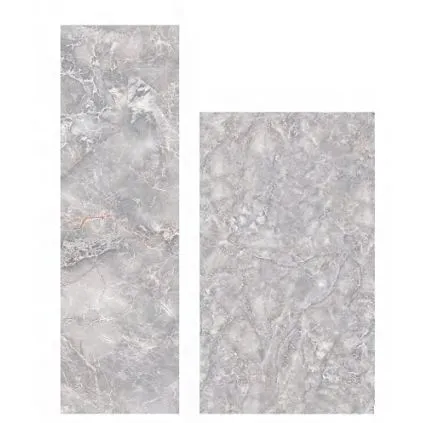
Tears or Rips: If vinyl sheets or tiles are torn or have deep cuts, especially in areas like doorways or entryways, replacement is often the best option. Small, minor tears may be repaired, but significant damage typically requires full replacement.
Discoloration or Fading
Exposure to sunlight and cleaning products can cause the color of vinyl flooring to fade or discolor over time. If your floor has become significantly discolored and the fading cannot be restored through cleaning or polishing, it may be time to consider replacing it.
Sunlight Exposure: Long-term exposure to direct sunlight can cause the vinyl to fade, especially in areas near windows. This is particularly common with lighter-colored vinyl flooring.
Stains: Some stains, especially those caused by certain chemicals or heavy-duty traffic, may be impossible to remove completely, leaving unsightly marks on the surface.
Buckling or Warping
If your vinyl flooring begins to buckling, curling, or warping, it's a clear indication that moisture has compromised its structure. This is often due to prolonged exposure to humidity or standing water. In cases of warping or buckling, it is typically necessary to replace the affected areas or, in extreme cases, the entire floor.
Water Damage: Standing water, leaks, or high humidity levels can cause the vinyl to lose its shape and integrity. Once the flooring has warped or curled, it may no longer sit properly on the subfloor, leading to further damage over time.
Persistent Odors
If your vinyl flooring develops a persistent odor, it could be a sign that moisture has penetrated the material and is trapped underneath. This can lead to mold or mildew growth, which can be harmful to indoor air quality. If the source of the odor cannot be removed through cleaning, replacement may be necessary.
Uneven Surfaces or Gaps
As vinyl flooring ages, it may start to shift, particularly if the installation was not done properly. If you notice gaps or uneven surfaces between tiles or planks, the integrity of the floor has likely been compromised. This is often caused by moisture or improper installation. If gaps are widespread, it may be time to replace the vinyl flooring to restore a smooth, even surface.
Chapter 3 How to Extend the Lifespan of Vinyl Flooring
Proper care and maintenance can significantly extend the life of your vinyl flooring. Here are a few tips on how to make your vinyl floors last longer:
Regular Cleaning
Regular cleaning prevents dirt, dust, and debris from scratching the surface of your vinyl flooring. Sweep or vacuum the floor frequently to remove particles that may cause wear. Use a damp mop with a mild, non-abrasive cleaner to clean the surface, and avoid using harsh chemicals or cleaning tools that could damage the material.
Protect from Heavy Traffic
Use furniture pads under heavy furniture and avoid dragging sharp objects across the floor to reduce the risk of scratches and dents. In areas with high foot traffic, consider adding rugs or mats in high-use areas to protect the floor from excessive wear.
Address Moisture Issues Promptly
Since vinyl flooring is moisture-resistant but not waterproof, it is essential to clean up spills immediately to prevent them from seeping into the seams. Ensure that the flooring is installed correctly with a moisture-resistant underlayment, especially in moisture-prone areas like bathrooms and kitchens.
Use Rugs or Mats
In high-traffic areas or near entryways, using rugs or mats can help absorb the impact of foot traffic and protect your vinyl flooring from dirt and grime.